24/7 Emergency Cleanup Lake County: A First-Hours Checklist After Fire, Smoke or Water Damage
@indoorhome524
October 27, 2026 · 14 min read
When a pipe bursts at 2 a.m., a kitchen fire leaves the house smelling like an ashtray, or a summer storm pushes water under the door, the first few hours feel blurry. People often bounce between panic and productivity. They grab towels, start moving furniture, call family, call insurance, then stop and wonder if they are making things worse.
That uncertainty is normal. In Lake County, it is also common. Central Florida homes and buildings deal with humidity, hard afternoon storms, long cooling seasons, and the kind of moisture that does not politely stay where it started. A small leak can become a mold issue faster here than people expect. Smoke can cling to soft materials even after the visible mess is gone. Water can wick into baseboards, drywall, insulation, and flooring while the surface looks almost dry.
The goal in the first hours is not to solve everything. It is to protect people, prevent avoidable damage, and set up the right next step. If you remember nothing else, remember this: safety first, moisture control second, documentation third, and speed matters.
What “emergency cleanup” actually means in those first hours
A lot of property owners hear the phrase 24/7 emergency cleanup Lake County and picture a crew arriving with fans and extracting water. That may be part of it, but the first stage is broader than that. Emergency cleanup is about stabilizing the situation.
After water damage, that usually means stopping the source if possible, identifying what materials are wet, and beginning drying measures. After fire or smoke, it means making sure the property is safe to enter, limiting further contamination from soot and residue, and planning for smoke odor removal. In either case, there is a difference between the immediate response and the later repair work. That distinction matters, especially when people start comparing bids or trying to understand insurance language.
A lot of confusion comes from the phrase mitigation vs remediation. People use the terms interchangeably, but in practice they point to different jobs.
- Mitigation is the immediate work that reduces ongoing damage, such as water extraction, temporary drying, or securing an affected area.
- Remediation is the corrective work aimed at resolving the contamination or damage condition, such as commercial mold remediation or cleanup of smoke-affected materials.
- Repairs and reconstruction are another phase entirely, involving rebuilding or replacing damaged finishes and components.
- Inspection and specialized testing may be part of the process, but they are not always the first move, especially when the moisture source is already obvious.
That distinction helps owners ask better questions. Are you trying to stop loss right now, or are you trying to return the building to pre-loss condition? Both matter, but they are not the same.
The first-hours checklist
If you are standing in a wet hallway, smoky living room, or damp office suite, keep it simple. Do the next right thing.
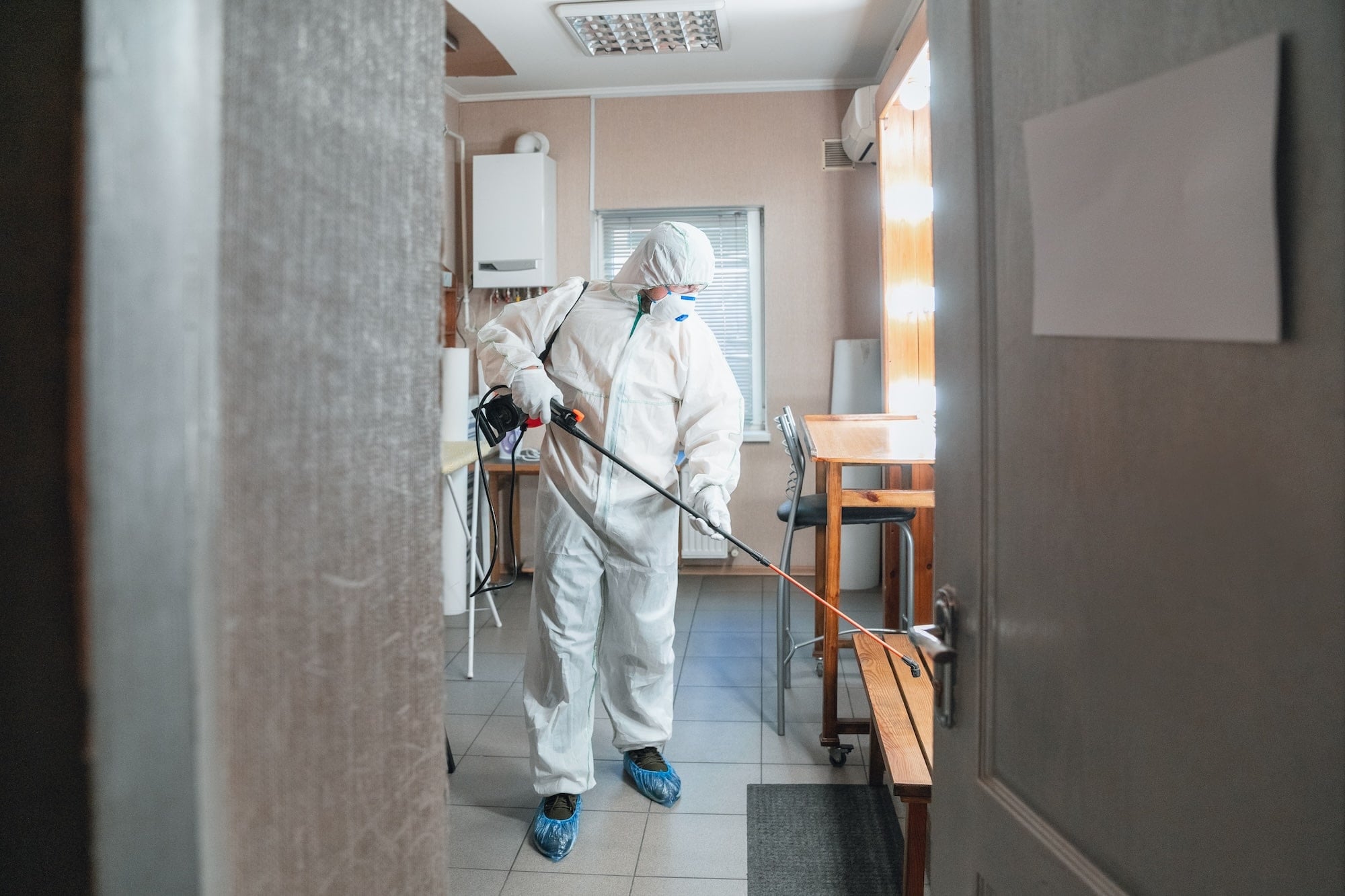
- Make sure everyone is safe, and do not stay in the building if there is fire risk, electrical hazard, structural concern, or heavy smoke residue.
- Stop the source if you can do it safely, shut off the water supply, isolate the leak, or keep additional rainwater out.
- Document what you see with clear photos and short notes before moving too much.
- Remove portable items from the affected area if they can be moved safely, especially rugs, paper goods, electronics, and upholstered pieces.
- Call for professional help quickly if moisture has spread beyond a small surface spill, if smoke odor is widespread, or if the property is commercial or multi-unit.
That is the checklist. The rest is judgment.
Safety is not a formality
People underestimate how many hazards ride along with water and smoke. Electrical systems and standing water are the obvious concern. Less obvious are slippery floors, weakened ceilings, hidden moisture behind walls, and soot that spreads when handled the wrong way.
After a fire, even a contained one, charred or heat-damaged materials can remain unstable. Soot is not all the same, and different residues behave differently on drywall, painted trim, metal, and fabrics. A quick wipe with the wrong cleaner can grind residue deeper into a surface or smear it over a larger area. The same thing happens after water losses. Walking repeatedly over wet flooring can spread contamination, especially if the source was not clean water.
This is where urgency and restraint need to coexist. Act fast, but do not improvise beyond your lane.
Why Lake County properties need a faster moisture response
Florida does not give you much grace with wet materials. Humidity stays high, air conditioning systems run hard, and once moisture gets trapped in wall cavities, under flooring, or inside insulation, the clock starts moving. That is why dehumidification and air scrubbers come up so often in restoration conversations. They are not cosmetic extras. They are tools used to control the indoor environment while the building is being stabilized.
In Lake County and the surrounding Central Florida area, that need is even more obvious during summer and hurricane season. Florida’s official hurricane season runs from June 1 through November 30, and the smart move is to prepare before the season starts, not when the first named storm is already in the forecast. Hurricane season preparation Florida owners often focus on shutters, sandbags, and generators, which makes sense. But moisture response planning belongs on that same list of priorities. If a roof leak, blown window seal, or wind-driven rain intrusion happens, the quality of the response in the first day often shapes the cost and complexity of the next few weeks.
That matters for homeowners, but it is especially true for commercial spaces. Office suites, retail units, medical spaces, storage rooms, and common areas all have more contents, more foot traffic, and more downtime risk. A property manager water damage event is rarely just one wet room. It can affect tenants, scheduling, access, indoor air quality, and communication across multiple parties at once.
The common mistake: waiting to “see if it dries out”
This is one of the most expensive habits in the business. People see dry-looking tile and assume the subfloor is fine. They touch the wall, find it only slightly cool, and decide to give it a day. They open windows during a humid afternoon and think fresh air is enough.
Sometimes a very minor spill really is simple. Most true losses are not.
Water moves. It travels under baseboards, behind cabinets, into trim joints, and down framing paths you cannot see from the middle of the room. In older buildings, it may move through layers of patchwork repairs and hidden voids. In commercial spaces, it can migrate beyond the suite where the problem was first noticed. Waiting is what turns a drying job into a demolition decision.
That is also why a sensible water damage checklist does not stop at “mop it up.” Surface cleanup is not the same as structural drying. If materials remain damp, the building can develop odor, staining, swelling, and microbial growth conditions.
Mold myths that cost people time and money
There are a few mold myths that persist because they sound practical. One is that you should always start with mold testing. Another is that if you cannot see mold, you do not have a moisture problem. A third is that bleach solves everything.
Florida’s public health guidance is pretty clear on the first point. If you see signs of moisture or water damage, that is the first issue to address. Mold testing or sampling is not recommended as the first step. In plain language, if the building is wet, deal with the wetness. Sampling does not dry a wall cavity.
That does not mean inspection has no value. It means the order matters. Find the moisture source. Correct it. Dry the materials. Then evaluate what remains.
The second myth, that hidden moisture is not a real problem until growth is visible, is also misleading. By the time growth is obvious, the issue has usually been there a while. Smell, warping, staining, and repeated HVAC mustiness can be meaningful clues, particularly when indoor air quality Florida concerns are already part of the conversation.
As for bleach, people reach for it because it is familiar, not because it is always the right answer. A restoration plan should match the material, the extent of damage, and the source conditions. This is one reason commercial mold remediation needs a more disciplined approach than weekend cleaning logic.
Smoke is stubborn, and odor removal is not just spraying deodorizer
Smoke damage is the loss that people most often underestimate. If flames were limited to one room, owners tend to assume the rest of the property only needs airing out. In reality, smoke can move through hallways, vents, porous materials, and contents far beyond the visible burn area.
Smoke odor removal is not the same thing as masking smell. If soot and residue remain in fabrics, drywall surfaces, insulation, or HVAC-adjacent areas, the odor often returns. Sometimes it gets worse when the building heats up in the afternoon. Florida homes know that pattern well.
This is where controlled cleaning and air management matter. Dehumidification and air scrubbers may both be part of the conversation https://cleanupguide298.fotosdefrases.com/generators-floodwater-and-hidden-damage-post-storm-safety-lessons-for-central-florida-properties after a fire-related event, depending on the conditions inside the building. Drying tools manage moisture. Air cleaning tools help control particulates and air quality during restoration. One does not replace the other.
The practical point is simple: if a room smells smoky after “cleanup,” the job is probably not finished.
Commercial properties have a different kind of urgency
Residential losses are personal. Commercial losses are operational. The pressure is different.
In a commercial building, a water event can trigger tenant complaints, slippery entryways, damaged inventory, and worries about reopening. If the property is occupied, communication becomes part of the job. Who can access the area? Which units are affected? Is there a plan for shared corridors or common spaces? How will odors or noise from drying equipment affect business hours?
That is why a property manager water damage response usually needs clearer documentation from the start. Not because managers are fussy, but because they answer to owners, tenants, vendors, and sometimes legal or risk teams. The first hours matter for both physical control and administrative control.
Commercial mold remediation carries similar complexity. Moisture in a break room is one thing. Moisture in an office buildout, storage area, or tenant improvement zone is another, especially when occupancy schedules and lease obligations are involved.
Older homes and renovation surprises in Florida
A lot of Lake County properties have history. Older homes can be beautiful, but they also hide previous repairs, obsolete materials, and moisture pathways that never made it onto a disclosure form. Anyone planning renovation work in an older property should take that seriously.
This is where asbestos survey before renovation becomes more than a paperwork phrase. In Florida, asbestos work is regulated through licensure and abatement rules, and licensed professionals must follow applicable work practices and notification requirements. The state’s asbestos rules are focused on minimizing fiber release during demolition and renovation, especially in commercial, public, and residential buildings, though some smaller residential situations may be treated differently depending on the project.
The practical takeaway is straightforward. If renovation is planned and the building age or materials raise concern, do not let a demolition crew “just open it up” and figure it out later. The right asbestos survey before renovation can help prevent a bad decision from becoming a contamination problem.
That caution fits neatly with another phrase buyers hear all the time: home inspection older homes Florida. A standard home inspection can be useful, but it is not the same as a specialty environmental assessment or a restoration scope. People should understand the limits of each service and ask the next question when moisture history, suspect materials, or air quality concerns are present.
Indoor air quality matters more after damage than most people realize
After fire, smoke, or water intrusion, people usually focus on what they can see. Wet carpet. Stained drywall. Burned cabinets. But indoor air quality Florida concerns often linger longer than the obvious damage.
Musty odor, irritation, stale air, and smoke smell can all shape how a property feels after a loss. This matters for families, but it also matters in offices, schools, retail space, and any setting where people spend long stretches indoors. A room can look cleaned up and still feel wrong. That usually means the underlying issue was reduced, not resolved.
This is another reason to respect the sequence of response. Correct the source. Remove damaged materials where appropriate. Dry the structure. Clean residues properly. Then reassess the space. Skipping steps tends to create callbacks, and callbacks are expensive.
Credentials matter, especially when the damage is not simple
Not every cleanup contractor has the same training. In restoration work, recognized industry certifications can signal that a technician has formal education in topics like structural drying, microbial remediation, or moisture inspection. The IICRC, for example, is a known certification organization in cleaning, inspection, and restoration, with credentials related to areas such as Applied Structural Drying Technician, Applied Microbial Remediation Technician, and Building Moisture Inspection.
Credentials are not magic, and they do not replace judgment. But when the situation involves hidden moisture, smoke spread, or a commercial occupancy, training matters. So does understanding where restoration ends and regulated environmental work begins.
That last point is especially important around asbestos. In Florida, asbestos contracting and consulting are licensed fields with training, experience, examination, and business qualification requirements. If suspect materials are involved, that is not a corner to cut.
A few first-hour scenarios that come up all the time
A condo owner discovers water under the vinyl plank floor after returning from work. The visible water line is only in the kitchen, but the baseboards near the adjacent hallway are already swelling. That is a red flag that moisture may have migrated farther than the eye suggests.
A retail tenant notices a strong smoky odor after a back-room electrical incident was put out quickly. There is no dramatic fire damage in the front of the store, but the soft goods smell off by noon the next day when the space warms up. That suggests the odor issue is broader than the burn area.

A property manager gets a call about staining on a ceiling tile in one suite, then learns another suite nearby has damp carpet. That is not two separate annoyances. It may be one shared building problem presenting in different locations.
None of these examples require panic. All of them require a response that treats hidden damage as a real possibility.
What preparation looks like before the next emergency
The best time to think clearly about cleanup is before you need it. That is particularly true in Central Florida, where storm season is a recurring reality. Hurricane season preparation Florida owners often think in terms of weatherproofing, but response planning deserves equal weight.
Know where the water shutoff is. Keep a simple photo inventory of key rooms and major business areas. Save policy information where you can access it quickly. If you manage property, keep tenant contact procedures current. If your building is older or renovation is on the horizon, ask early questions about home inspection older homes Florida limitations and whether an asbestos survey before renovation should be part of the plan.
The best emergency calls are the ones made by people who already know their priorities.
The steady approach wins
The first hours after fire, smoke, or water damage do not reward heroics. They reward calm decisions. Protect people. Stop active damage if it is safe. Document what happened. Get moisture and contamination concerns taken seriously before they spread.
In Lake County, speed matters because climate matters. Humidity does not wait. Odor does not politely stay in one room. Wet materials do not improve because everyone hopes they will. A measured, informed response is what keeps a bad day from turning into a much longer problem.
If you are dealing with an active loss, think in phases. Stabilize first. Dry or contain what needs drying or containing. Sort out the scope after the property is safe. That mindset is usually the difference between a manageable restoration project and one that keeps growing every day.