Buying or Selling an Older Home in Lake County: A Guide to Water Damage and Mold Red Flags
@indoorhome524
October 18, 2026 · 14 min read
Older homes in Lake County have a lot going for them. Mature trees, solid layouts, established neighborhoods, and details you rarely see in newer construction. They also come with a layer of risk that buyers and sellers sometimes underestimate, especially in Central Florida. Humidity hangs around for much of the year. Afternoon storms can dump a surprising amount of water in a short window. Hurricane season preparation Florida homeowners should take seriously starts before June 1 and stays relevant through November 30. In that setting, even a small leak can turn into a much larger problem if it goes unnoticed.
If you are buying, water damage and mold issues can affect value, financing, repair costs, and indoor air quality Florida families care about every day. If you are selling, the same issues can derail a transaction late in the process, usually right after inspection when everyone is already tired and emotionally invested. I have seen deals wobble not because a house was unsalvageable, but because nobody understood what they were seeing or what the next step should be.
That is the real goal here, clarity. Not panic. Not a doom-and-gloom lecture about every stain or musty closet. Just a practical look at the red flags that matter in older homes in Groveland, Clermont, Minneola, Mascotte, Howey-in-the-Hills, Mount Dora, Leesburg, and across Lake County.
Why older homes in Lake County deserve a closer look
Age by itself is not the problem. Plenty of older homes are dry, well maintained, and healthier than newer homes with hidden construction defects. The issue is that time gives water more opportunities. A roof may have had several patch jobs. Window seals may be tired. Plumbing components may have reached the end of their service life. An air conditioning system may have struggled through many Florida summers, and once AC performance drops, indoor humidity often creeps up with it.
In Florida, moisture intrusion and mold concerns go hand in hand. The Florida Department of Health has been clear on a point many people miss: when mold is suspected, the first step is to look for signs of moisture or water damage. That is more useful than jumping straight to testing. In a real estate transaction, that matters. Buyers often ask for air samples before anyone has identified where moisture is coming from. Sellers sometimes spend money on testing when what they really need is a careful inspection of a stained ceiling, a damp baseboard, or a poorly ventilated area that never dries.
Older homes also carry another layer of caution when renovations are involved. If a buyer plans to open walls, remove old flooring, or update dated finishes after closing, an asbestos survey before renovation may be wise depending on the building type and project scope. Florida regulates asbestos work through licensure and abatement rules, and those rules exist to reduce fiber release during renovation and demolition. The details can vary by project, so this is not an area for guesswork.
The first red flags are usually simple
The houses that worry me most are not always the dramatic ones with collapsed ceilings or standing water. Sometimes the biggest clues are ordinary and easy to dismiss. A fresh coat of paint on one section of a ceiling can be harmless, or it can be an attempt to cover a recurring stain. A room that smells clean except for one back corner may be telling you more than the whole living room. A warped baseboard behind a sofa can reveal a leak that has been active off and on for months.
For buyers, the challenge is to stay observant without becoming suspicious of everything. For sellers, the challenge is to understand that what feels minor to you may look like a pattern to someone seeing the house for the first time.
Here is a short water damage checklist I would use walking through an older home in Lake County:
- Look up for stains, bubbling paint, sagging drywall, and patched ceiling areas.
- Look down for cupped flooring, soft spots, loose tile, and darkened grout lines near tubs, showers, and exterior doors.
- Use your nose in closets, laundry rooms, under sinks, and near air handlers, musty odors often tell the story before your eyes do.
- Check windows and exterior walls for swelling trim, peeling paint, or condensation patterns that suggest moisture intrusion.
- Ask whether any past leak was fully dried, repaired, and cleaned, not just cosmetically covered.
That list is short on purpose. It catches a surprising number of problems before you ever bring in a specialist.
What mold actually looks like, and what people often get wrong
Mold does not always show up as dramatic black patches crawling across drywall. It may appear as light spotting around supply vents, discoloration on closet walls, fuzzy growth on stored cardboard, or dark staining where a vanity meets the wall. In older homes, it is common to find it where air circulation is poor and humidity lingers, behind furniture on exterior walls, inside under-ventilated bathrooms, near AC components, and in rooms that stayed shut for long periods.
This is where mold myths cause trouble. One of the most persistent is that if you cannot see mold, it is not there. Another is that bleach solves every mold problem. It does not fix the moisture source, and if the material stayed wet long enough, cleaning alone may not be enough. People also assume any small amount of mold means the house is ruined. Usually it means the house has had a moisture issue that needs to be understood and corrected.
The distinction between mitigation vs remediation is useful here. Mitigation is the urgent effort to limit damage and stabilize the situation. Think stopping active water intrusion, extracting water, setting drying equipment, and protecting unaffected areas. Remediation is the larger process of removing contamination, cleaning, addressing damaged materials, and getting conditions back to a healthy baseline. In a transaction, confusion between those terms can create unrealistic expectations. If a seller says, “We had it mitigated,” a buyer may assume the issue is fully resolved. Sometimes that is true. Sometimes it means the water was removed but damaged materials and lingering contamination still need attention.
When mold has spread beyond a small isolated area or has affected multiple rooms, buyers and sellers may need professional help rather than a handyman approach. In mixed-use properties, retail centers, apartment buildings, or office suites, the conversation often moves into commercial mold remediation territory, where containment, tenant coordination, and documentation become even more important.
The inspection is not the finish line
A home inspection older homes Florida buyers order is a key part of due diligence, but it has limits. Inspectors are looking for visible conditions and signs of concern. They are not opening every wall cavity or performing destructive exploration as part of a standard inspection. If they note moisture staining, elevated concern around HVAC areas, or suspected microbial growth, that usually means one thing: slow down and get more specific information.
The best outcomes happen when both sides treat inspection findings as a fact-finding stage, not an immediate fight. A stained ceiling can point to an old leak that was repaired years ago. It can also point to an active issue in the attic. The stain itself does not tell you which. Moisture conditions do. If the issue is current, time matters because wet materials in Florida do not stay benign for long.
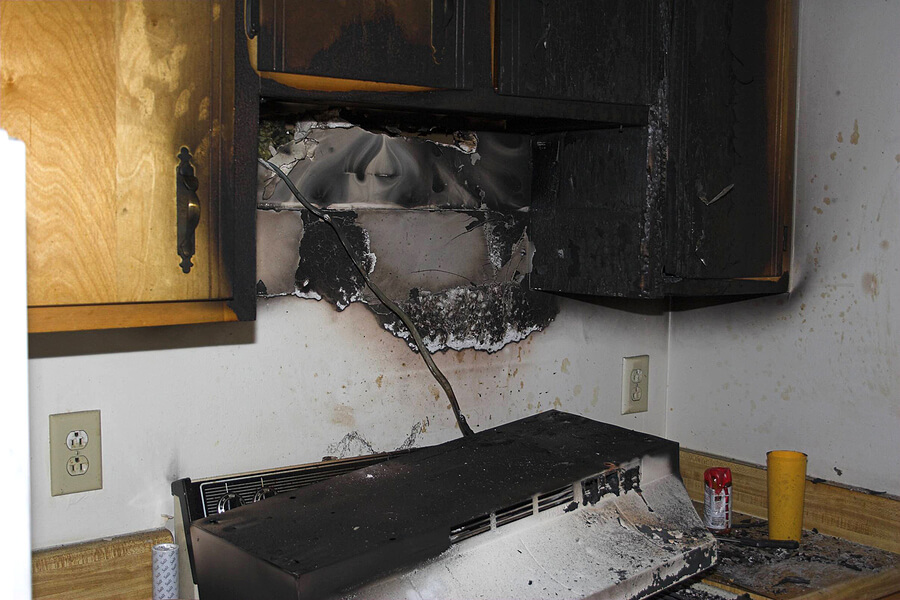
One mistake I see often is overreliance on surface appearances after a recent cleanup. The seller may have run fans, painted over a mark, or sprayed deodorizer in a musty room. That can make a space more pleasant for showings, but it does not answer the buyer’s real question, which is whether the house is dry and stable. Another mistake is assuming every odor is mold. Smoke odor removal comes up in some older homes, especially if the property has had years of indoor smoking or a minor fire event in the past. Smoke residue and mold can both affect perceived air quality, but they are different problems and they need different solutions.
A musty smell is information, not proof
Odor is one of the most useful clues in an older Florida home, but it needs context. Musty does not automatically mean hidden mold behind every wall. It may come from damp carpet padding, stored items that absorbed moisture, a neglected air handler closet, or a room that stays closed and under-conditioned. What matters is whether the odor is tied to an ongoing moisture source.
This is also why indoor air quality Florida homeowners talk about so often should not be reduced to one air sample or one online mold kit. Air quality is shaped by moisture, ventilation, filtration, cleaning practices, building materials, and occupant habits. In a sales transaction, people want a clean yes-or-no answer, but houses rarely cooperate. A better question is this: what conditions inside the home support clean, dry air, and what conditions are working against it?
If the home smells strongest after rain, pay attention. If closets feel damp, pay attention. If the AC struggles to keep the house comfortable in summer, pay attention. A house does not need visible flooding to develop moisture-related problems. Slow, repeated humidity stress can be enough.
What sellers should do before listing
Sellers usually have more leverage, and less stress, when they deal with obvious moisture issues before a buyer’s inspector finds them. That does not mean tearing apart the house at the first sign of a stain. It means being honest about what you know and addressing active problems with care.
If you had a leak last year and the area was dried properly, say so. If repairs were made, keep records. If you know a bathroom fan has not worked in years or the laundry room gets humid, fix it now if you can. Small preventive repairs almost always look better than defensive explanations during escrow.
It is also worth remembering that Lake County buyers are often comparing older homes against newer construction nearby. The older home does not have to be perfect, but it does need to feel well managed. A buyer can accept age. What scares them is neglect.
For landlords and multifamily owners preparing to sell, unresolved tenant complaints about leaks can become a major issue. Property manager water damage response needs to be fast and documented because repeated moisture intrusion in occupied units can spread from one small maintenance problem into a much larger value problem by the time the property hits the market.
What buyers should ask without sounding alarmist
There is an art to asking the right questions without turning a routine inspection issue into a standoff. The goal is not to interrogate the seller. It is to understand the history of the property and the quality of any past repairs.
Ask when the roof was last repaired or replaced if visible staining suggests prior leaks. Ask whether any bathroom, kitchen, or laundry leaks occurred. Ask if the air conditioning system has had drain line backups or moisture issues. Ask whether a room that smells musty has always been that way or only recently. Ask whether any post-storm water intrusion happened during previous hurricane seasons.
Buyers planning major renovations should also think ahead. If you intend to remove older wallboard, ceiling texture, flooring, or insulation after closing, pause before assuming you can simply start demolition. Depending on the project and building type, an asbestos survey before renovation may be an important step. Florida has licensure and abatement rules for asbestos-related work, and those requirements are not something you want to discover halfway through a remodel.
Drying equipment is not cosmetic
When a property has had recent water intrusion, people sometimes react badly to seeing professional drying equipment in place. They assume it means the house is a disaster. I usually see it the opposite way. If the right response happened quickly, with dehumidification and air scrubbers used where appropriate, that often tells me someone took the event seriously.
The key is understanding what the equipment is there to do. Dehumidifiers pull moisture out of the air so wet materials can dry more effectively. Air movement helps evaporation. Air scrubbers may be used in certain situations to improve air quality during cleanup by filtering airborne particles. None of that is a substitute for fixing the source or removing materials that are too damaged to save, but it is part of an organized response. When buyers hear that a house had water damage, their next question should be, “How was it dried and what was repaired?” not simply, “Was there a leak?”
In emergency situations, especially after severe storms, access to 24/7 emergency cleanup Lake County homeowners can call matters because the first day often shapes the next month. Wet drywall, flooring, insulation, and contents do not improve with delay.
When hurricane season changes the conversation
In Lake County, storm preparation is not just a coastal issue. Florida’s official hurricane season runs from June 1 through November 30, and preparation should happen before the season starts. For buyers and sellers, that timing affects transactions more than people expect. A house that appears fine in dry weather may reveal roof or window vulnerabilities during the first major storm cycle of summer.
If you are listing in late spring or summer, inspect the home with weather in mind. Look at areas that have leaked in the past. Check around windows and doors. Make sure gutters and drainage paths are not sending water where it should not go. If you are buying during the season, pay close attention to seller disclosures about prior storm-related intrusion and ask what happened after the event. “We mopped it up” and “we had the structure dried and damaged materials addressed” are very different answers.
Older homes can do well in storms if they have been maintained. They can also hide recurring weaknesses for years because no single storm was bad enough to force a full repair. That is why hurricane season preparation Florida homeowners practice is not only about shutters and supplies. It is also about the building envelope, drainage, and maintenance habits.
A few mold myths worth retiring
The fastest way to make a water damage conversation less productive is to drag old myths into it. Here are a few that deserve to go:
- If the stain is dry today, the problem is over.
- A little bleach means mold is gone for good.
- Testing always comes before looking for moisture.
- Old houses are supposed to smell musty.
- New paint proves the issue was fixed.
Each of those ideas contains just enough truth to sound plausible. A dry stain may reflect an old event, but it may also be waiting for the next storm to reappear. Bleach may lighten a spot, but it does not solve hidden moisture. Odors may lessen after cleaning, but that does not tell you what is happening behind trim or inside a wall cavity. And fresh paint, while helpful cosmetically, is not documentation.
The human side of these deals
Real estate transactions are emotional even when everyone behaves well. Buyers picture holidays in the dining room before the inspection report arrives. Sellers take comments about stains and odors personally because they have lived https://weatherready025.cloudhinter.com/posts/older-home-maintenance-in-central-florida-watching-roof-leaks-plumbing-leaks-and-ventilation-issues in the home and made memories there. That emotional layer can make water damage issues feel bigger than they are, or tempt people to minimize them when they should not.
The calmest deals usually happen when everyone agrees on three things. First, moisture problems need to be understood, not guessed at. Second, quick action matters in Florida conditions. Third, the right response depends on severity. A tiny, isolated issue is not the same as a recurring roof leak with visible microbial growth in several rooms. A past event that was dried and repaired is not the same as an active source still feeding damage.

For commercial owners and landlords, the stakes can be broader because tenants, lease obligations, and multiple units may be involved. That is where property manager water damage planning becomes part of asset protection, not just maintenance. It is also where commercial mold remediation may require a more structured approach to containment and communication than a single-family home would.
The bottom line for buyers and sellers in Lake County
Older homes in Lake County can be wonderful properties to buy and rewarding homes to sell. They simply ask for sharper observation and better judgment around moisture. In this part of Florida, humidity and storm exposure make water intrusion more than a cosmetic concern. It touches value, repair scope, occupant comfort, and trust between both sides of a transaction.
If you are buying, do not ignore your senses. Look for patterns, ask for context, and treat musty odors and visible staining as prompts for better information. If you are selling, resist the urge to patch over symptoms and hope nobody notices. Buyers usually do notice, and when they find one concealed issue, they start to imagine five more.
A dry, well-maintained older home can still shine in a competitive market. The path there is straightforward even if it is not always easy: identify moisture, stop it at the source, dry the structure properly, and address the damage honestly. That is what protects the deal, the property, and the people who will live in it next.