Keeping Indoor Humidity Below 60 Percent: A Mold Prevention and Remediation Guide
@indoorhome524
October 19, 2026 · 13 min read
In Florida, moisture problems rarely announce themselves with drama. More often, they creep in quietly. A room feels a little sticky in the afternoon. The supply vent near the hallway smells musty for a few minutes when the air kicks on. A closet wall looks fine until you pull a box away and find faint spotting where the air barely moves. By the time the problem is obvious, mold has usually had a head start.
That is why the 60 percent relative humidity mark matters so much. Florida health guidance is clear on this point: keeping indoor humidity below 60 percent helps reduce mold growth, and standing water can allow common molds to take hold in as little as 24 hours. In a place like Central Florida, where wet summers, sudden storms, and long cooling seasons are normal, that threshold is less of a nice goal and more of a working rule.
If you own a home, manage rentals, or care for a commercial property, humidity control is not separate from restoration work. It sits at the center of it. Mold remediation Lake County projects often begin with a moldy surface, but the real job is moisture control. The same is true after water damage restoration Central Florida calls, storm damage restoration Florida cleanup, and even some fire damage restoration jobs, where suppression water and shut-down HVAC systems can leave a building damp long after the smoke smell fades.
Why 60 percent is the line that matters
Mold needs moisture more than anything else. It does not care whether that moisture came from a roof leak, floodwater, a sweating duct, poor ventilation, or humid air settling on a cool surface day after day. If the building stays damp enough, long enough, mold can grow on drywall, wood, insulation facings, contents, and dust films that collect on ordinary surfaces.
That 60 percent target is practical because it gives homeowners and property managers a simple benchmark. Below that point, you are making the indoor environment less favorable to mold. Above it, especially for extended periods, you are inviting trouble. In Florida, indoor humidity often rises for predictable reasons: oversized air conditioning systems that cool too quickly without removing enough moisture, leaky return ducts, short cycling, clogged drains, wet materials left after a plumbing leak, or storm-related water intrusion that was “mostly dry” but not truly dry.
I have seen plenty of situations where people focused on what they could wipe off a wall and ignored what the air was doing. The mold came back because the room still sat at 65 to 70 percent humidity every afternoon. Surface cleaning without moisture correction is usually temporary.
The first warning signs are often subtle
Mold problems usually start with clues that people talk themselves out of. A faint odor. Condensation on windows. Paint that looks slightly swollen near a baseboard. A bathroom ceiling that needs repainting too often. Air that feels clammy even when the thermostat reads cool. These are the kinds of details worth taking seriously.
Here are a few signs that humidity may already be too high indoors:
- Musty odors that come and go, especially after rain or when the HVAC starts
- Condensation on windows, supply grilles, or cold-water pipes
- Visible spotting on walls, ceilings, around vents, or inside closets
- A persistent clammy feeling despite regular air conditioning
- Mold returning soon after it was cleaned
That last point matters. Florida health guidance notes that if mold returns quickly, there is likely an underlying leak or moisture source that must be fixed first. In practice, recurring mold almost always means the building is still feeding it somehow.
Measuring humidity beats guessing
People are often surprised by how far off their instincts can be. A home can feel “fine” and still spend part of the day above 60 percent relative humidity. A simple hygrometer can help confirm what the space is doing. The useful part is not a single reading, but the pattern. What happens in the morning, after a thunderstorm, overnight, and in rooms that do not get much airflow?
A bedroom over a garage, a back closet on an exterior wall, and a laundry room often tell the real story before the living room does. If you are looking at a property in Groveland, Clermont, Mount Dora, Eustis, Leesburg, Orlando, or nearby areas, the mix of heat, rain, and heavy cooling loads can create room-to-room differences that matter. One part of the house may stay acceptable while another drifts into a mold-friendly range every day.
When readings stay above 60 percent, the next question is not just how to lower the number, but why the number is high in the first place.
Humidity control is about systems, not just a dehumidifier
A portable dehumidifier can help in the right situation, especially in a problem room or while short-term drying is underway. But it should not distract from diagnosing the building. Florida health guidance makes an important point here: if a central HVAC system needs a dehumidifier to get below 60 percent relative humidity, the air conditioning system should be examined for problems.
That is a crucial distinction. A dehumidifier may be a tool. It is not always the cure.
If the AC is oversized, if the fan settings are wrong, if there are duct leaks, if the condensate line is not draining properly, or if outside air is entering in ways the system cannot manage, indoor humidity may remain stubbornly high no matter how much people fiddle with the thermostat. This is where HVAC mold concerns often enter the picture. Moisture inside or around the system can support contamination in ductwork, insulation, or components, and once air movement spreads spores or odors through the building, the issue feels much bigger to occupants.
Florida health guidance also advises consulting EPA guidance if HVAC may be contaminated with mold before taking further action. That caution is sensible. Once the system itself may be involved, the work becomes more technical and the risk of making it worse rises fast.
What to do in the first 24 hours after water shows up
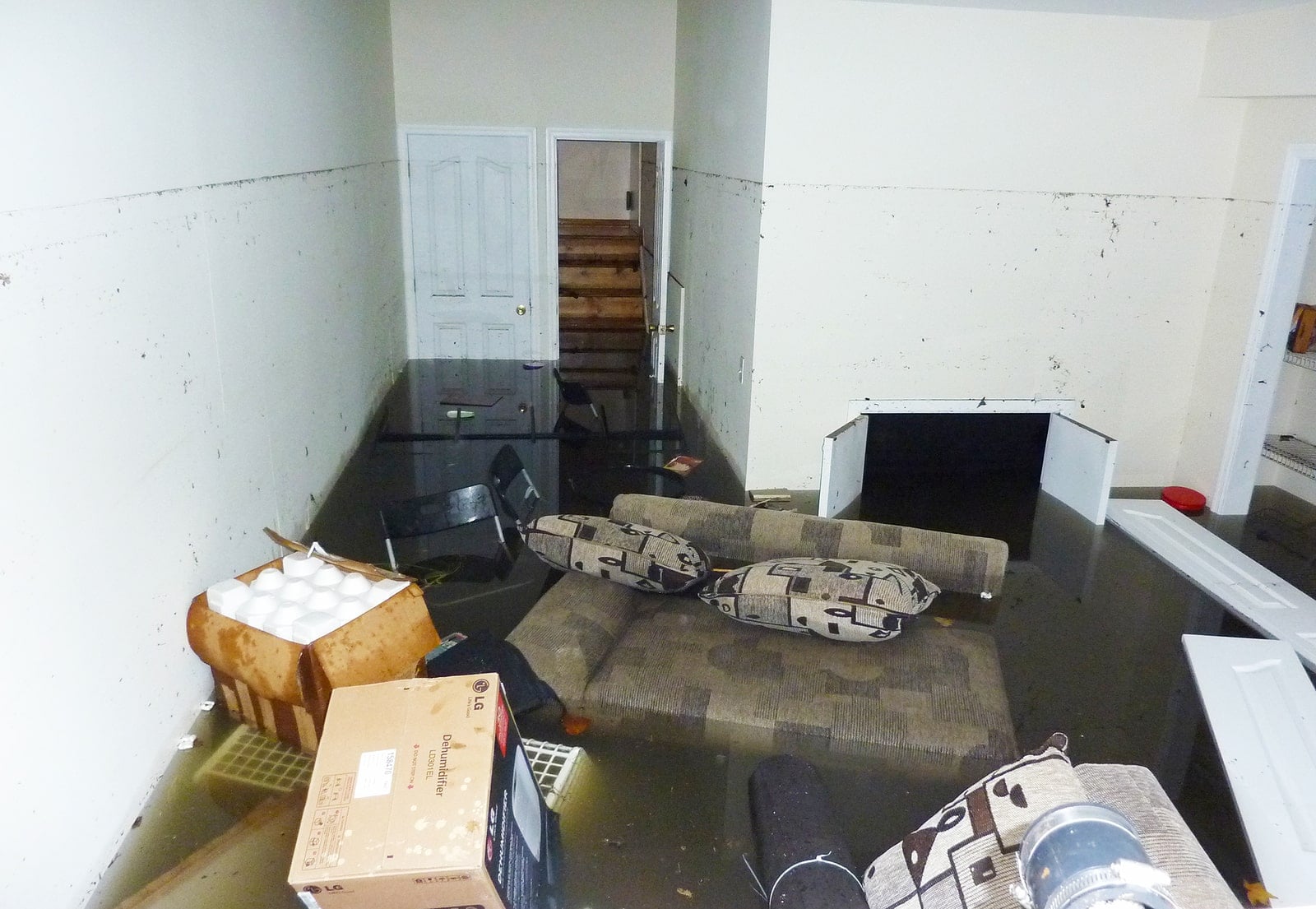
The clock moves quickly once water is standing indoors. Common molds can take hold in as little as 24 hours, and disaster cleanup guidance consistently emphasizes that drying the home and removing water-damaged items is the most important step to prevent mold damage after flooding.
The right response in the first day is usually simple in concept and demanding in practice. Stop the source if you can. Remove standing water. Get wet materials evaluated immediately. Increase drying. Figure out what can be salvaged and what cannot. What hurts people later is delay, not usually lack of effort.
I have watched small losses turn into major remediation jobs because someone assumed the carpet “would dry on its own,” or because a cabinet toe-kick hid dampness in the wall cavity for three days. A minor refrigerator line leak can produce a larger mold job than a more dramatic event if nobody addresses the hidden moisture.
This is where professional water damage restoration Central Florida teams earn their keep. Good drying is not just about fans making noise. It is about finding where the moisture went, controlling the environment, and verifying that materials are actually drying.
After storms, the moisture problem is often bigger than it looks
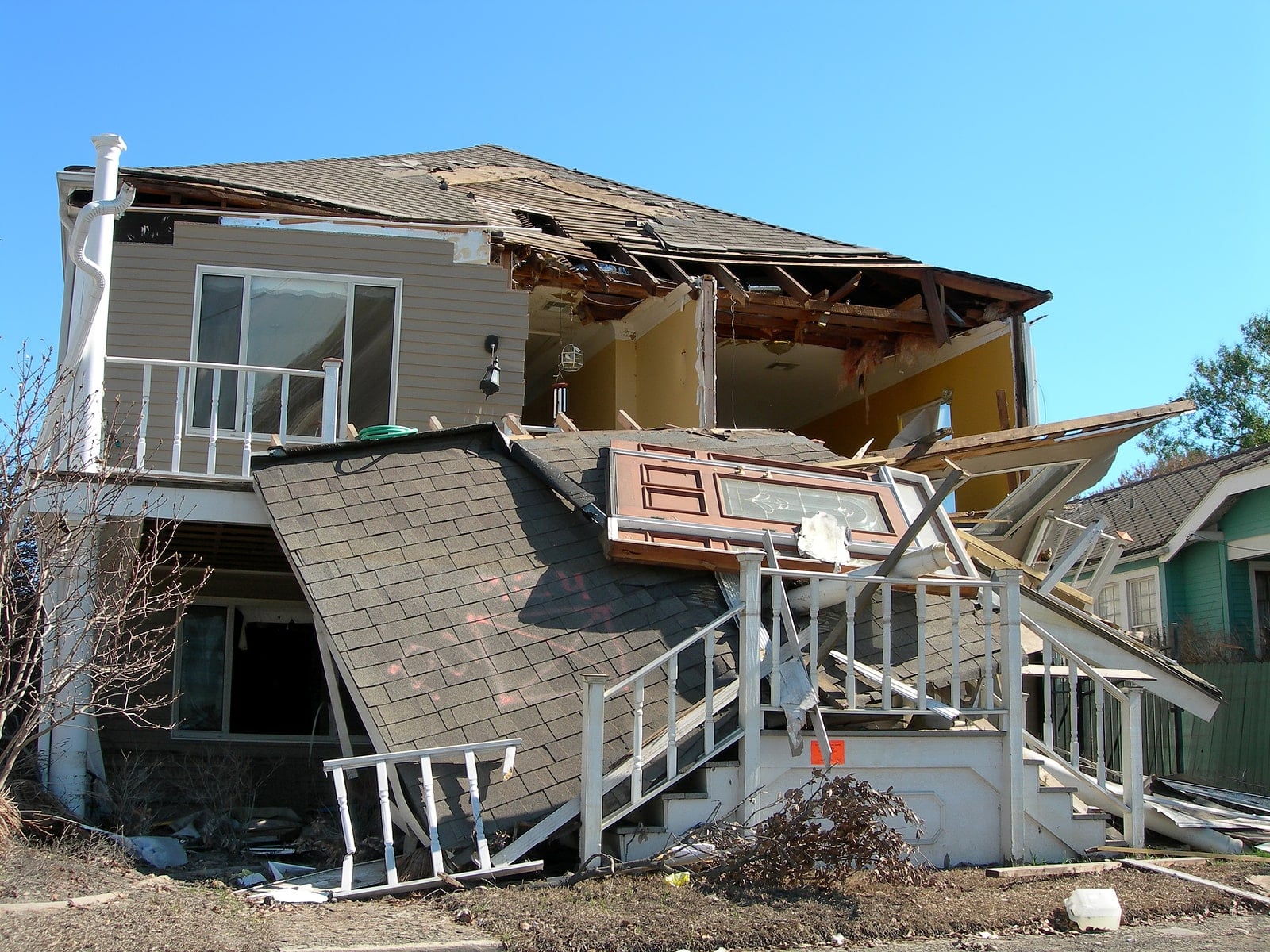
Florida storms create a special kind of confusion because the damage is not always concentrated in one obvious place. Wind-driven rain may wet insulation around one window and under a section of flooring twenty feet away. A roof leak may travel before it drips. Flooding or storm intrusion may also bring safety concerns that go well beyond mold.
In serious storm damage restoration Florida work, cleanup can involve structural drying, contaminated materials, odor elimination, and sometimes biohazard cleanup if sewage or other hazardous contamination is involved. Floodwater is not just “water.” It can carry debris and contaminants, and that changes the cleanup approach. The practical lesson is that homeowners should resist the urge to judge the severity of the event by what they can see from the middle of the room.
A storm can also expose older building materials that raise another issue entirely. In older homes or commercial properties, damaged floor tile, ceiling tile, pipe wrap, siding, or shingles may contain asbestos. EPA guidance warns that asbestos may be found in older homes and buildings, and that renovation or damage to these materials can disturb it. Florida’s asbestos program exists to minimize the release of asbestos fibers during abatement, remediation, handling, and disposal. So if a storm, leak repair, or demo plan involves suspicious older materials, asbestos abatement Groveland FL or elsewhere in Lake County should be handled by properly trained and accredited asbestos professionals, especially when materials are damaged or likely to be disturbed during renovation.
That point is easy to miss during a stressful cleanup. People are focused on the leak, the odor, the visible mold. But the safest restoration plan sometimes begins with identifying what not to disturb yet.
The mold you see is not always the full scope of the job
A small patch of mold does not automatically mean a major tear-out. At the same time, a small visible patch does not guarantee a small problem either. Judgment matters. Location matters. Cause matters.
A little mold around a bathroom ceiling register might be tied to high humidity and poor ventilation. Fixing the moisture issue and cleaning appropriately may solve it. Mold appearing repeatedly at the base of a wall near an exterior corner may suggest hidden leakage or chronic condensation. Mold around supply vents may lead to broader questions about the HVAC system and whether contamination extends beyond the more information grille.
This is where trained restoration professionals tend to approach the building differently than a homeowner does. They are not only asking, “How do we remove this?” They are asking, “What conditions allowed this, and what nearby materials are likely affected?” In the best cases, that line of thinking prevents repeat losses.
Many companies describe their process as IICRC-certified remediation, and that phrase matters if it reflects actual training and adherence to recognized standards. The IICRC publishes standards relevant to water damage restoration, mold remediation, HVAC assessment after water, fire, or mold damage, and fire and smoke damage restoration. For owners, the takeaway is not that every problem needs the biggest possible intervention. It is that moisture, mold, and system contamination should be approached methodically, not casually.
Why HVAC problems keep so many buildings stuck in the cycle
When humidity problems refuse to go away, the HVAC system is often part of the story. Sometimes the issue is obvious, like poor drainage or visible growth around components. Sometimes it is less obvious, like a system that cools the space quickly but leaves the air damp because it does not run long enough to remove enough moisture.
The frustrating part for occupants is that the house may feel cool and still be too humid. That cool-but-clammy feeling is one of the classic signs. If you are relying on a central system and still cannot stay below 60 percent relative humidity without extra help, Florida health guidance says the system should be examined for problems. That is not a minor footnote. It is often the hinge point between repeated cleanup and a lasting fix.
HVAC mold concerns also have a psychological effect on occupants. People notice odors from vents and start assuming the whole house is contaminated. Sometimes the concern is justified, sometimes it is more localized, but either way the system needs careful assessment rather than guesswork. Spraying random products into vents or replacing a thermostat does not address moisture mechanics.
Fire damage can turn into a mold problem too
Most people do not connect fire damage restoration with mold, but the overlap is real. After a fire, buildings may sit with elevated humidity because systems are shut down, windows are opened at odd times, or large amounts of water were used during suppression. Wet insulation, saturated framing, and lingering moisture in concealed areas can create conditions for mold if drying lags.
Add smoke odor to the mix and homeowners often focus on the smell first. Odor elimination is important, but if wet materials remain in place, you can end up chasing two problems at once. That is why well-run fire restoration work does not treat smoke, water, and humidity as separate worlds. They affect each other.
When it makes sense to call for professional help
Not every humidity issue requires a full restoration response. Some do. The hard part is knowing where the line is.
Call for experienced help quickly if any of these apply:
- Water has been standing, or materials have been wet, for about 24 hours or more
- Mold keeps coming back after cleaning
- The HVAC system may be involved or contaminated
- Storm or leak damage may have affected hidden cavities or older suspect materials
- Occupants are dealing with multiple issues at once, such as water, smoke odor, or contaminated floodwater
In those situations, 24/7 emergency restoration services are not just about convenience. Time changes the scope of the damage. Fast action can reduce demolition, shorten drying time, and lower the chance that a manageable event becomes a much larger remediation project.
Prevention is usually boring, and that is exactly the point
The best mold prevention work rarely looks dramatic. It is maintenance, observation, and a willingness to deal with moisture before it turns into a remediation job. That means paying attention after storms, checking rooms that do not get much airflow, and noticing whether the house feels damp even when it feels cool.
It also means respecting the reality of Florida buildings. Central Florida is humid. Afternoon rain is common. Mechanical systems work hard for much of the year. Homes that stay dry and stable do so because the moisture load is being managed consistently, not because they got lucky.
If you own an older property, caution matters even more. Water damage repairs, vent replacement, tile removal, or opening walls in a damaged area can uncover suspect materials. In parts of Lake County and nearby counties in Florida’s Central District, asbestos concerns are part of the real-world restoration conversation, not an abstract legal issue. If there is a chance that damaged building components contain asbestos, stop and get the right professional guidance before demolition begins.
A practical way to think about the whole problem
The most useful mindset is to stop treating mold as a stain problem. It is a building moisture problem that may show up as staining, odor, HVAC complaints, or damaged contents. Once you see it that way, the path gets clearer.
First, control water and humidity. Second, identify what stayed wet and for how long. Third, decide whether cleanup is straightforward or whether the scope, contamination, system involvement, or material age calls for professional remediation. That logic applies whether you are dealing with a damp laundry room, a storm-hit office suite, or a home where musty air has become the normal background condition.
Keeping indoor humidity below 60 percent is not a magic trick, and it is not just about comfort. It is one of the simplest, most defensible ways to prevent mold growth in Florida buildings. When that number will not stay down, take it seriously. The building is telling you something, and catching it early is almost always cheaper, cleaner, and less disruptive than waiting for mold to make the case for you.